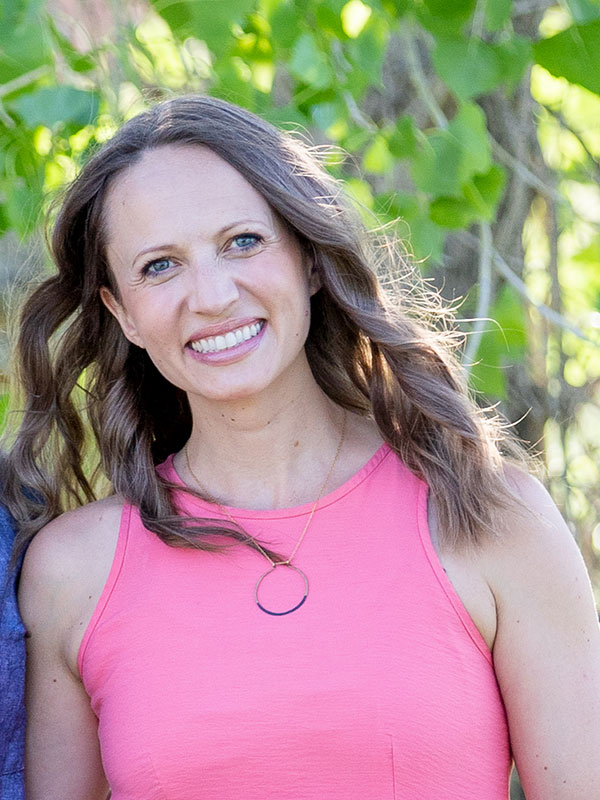
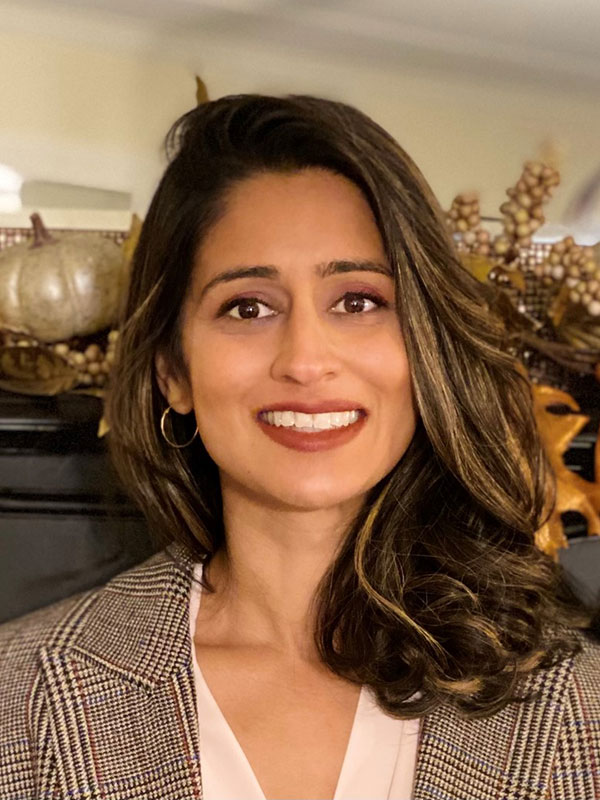
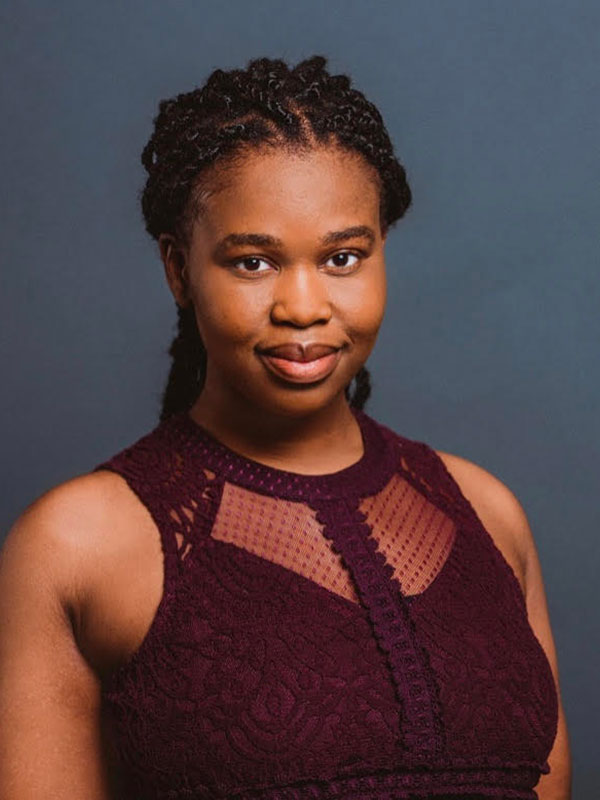
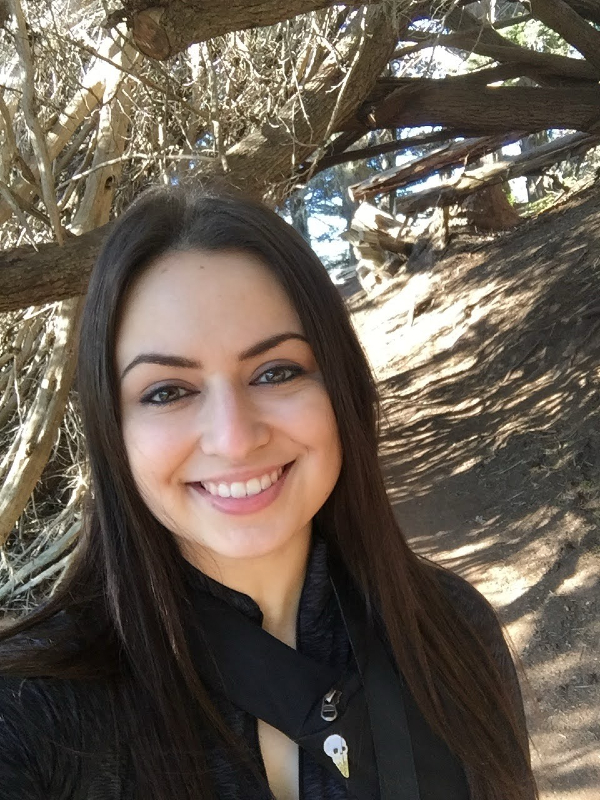
BTRC is an interdisciplinary, multi-institutional research enterprise that evaluates physician well-being, coaching, psychological safety, and engagement with a team of interdisciplinary scholars and mentees that includes experts in medical education, psychology, social work, and health services research.

Better Together Research Collaborative (BTRC)

Dieujuste N; Mann AM; Dunbar K; Thibodeau PS; Fainstad T; Dorsey Holliman, B. “Understanding Challenges Faced by Female Graduate Medical Education Trainees: A Qualitative Content Analysis of Physician Coaching Requests” HCA Healthcare Journal of Medicine. August 2025.
Summary: This manuscript analyzes coaching requests from female trainees to unearth common challenges
Mann, A, Fainstad, T, Sullivan et. Al. “Medical students: They’re not just little doctors! Impact of an online group-coaching program on medical student well-being: A randomized clinical trial.” PlosOne. Aug 12, 2025. https://doi.org/10.1371/journal.pone.0328546
Summary: A four-month web-based group coaching program for medical students did not reduce distress (burnout, moral injury, or impostor syndrome) but did significantly improve self-compassion and flourishing.
Kornsawad, K, Shah, A, Yan, J, Aboueisha, A, Woodward, MA, Mann, A, Fainstad, T. “Do I Belong? A Multivariable Analysis of Impostor Syndrome and Associated Factors in Female Physician Trainees” J Gen Intern Med. Aug 5, 2025. doi: 10.1007/s11606-025-09780-4
Summary: In a national sample of female physician trainees, impostor syndrome was highly prevalent and strongly inversely associated with self-compassion, suggesting self-compassion may be a key target for future physician well-being interventions.
Thibodeau P, Bosma GN, Hochheimer CJ, Syed, A. Dieujuste, N, Mann, A, Fainstad, T. The moderating effects of moral injury and discrimination trauma on women physician trainees’ well-being. J Gen Intern Med. February 2025. doi:10.1007/s11606-025-09434-5
Summary: In a national cohort of women physician trainees, discrimination trauma and moral injury significantly shaped relationships among key well-being outcomes – moderating impostor syndrome and self-compassion at baseline and influencing intervention effects – highlighting the need to address these stressors early to support trainee well-being.

Fainstad T, Rodriguez C, Kreisel C, et al. Impact of an online group-coaching program on ambulatory faculty physician well-being: A randomized trial. J Am Board Fam Med. December 2024. doi:10.3122/jabfm.2024.240022R1
Summary: A randomized trial showing that online group coaching can boost physician well-being

Syed A, Thibodeau PS, Dieujuste N, Jones CD, Dunbar KS, Mann A, Fainstad T. Examining the Impact of Moral Injury on Burnout, Impostor Syndrome and Low Self-Compassion Amongst Female Medical Trainees: A Secondary Analysis. Mayo Clinic Proceedings. 2024;99(12):1905-1912. doi:10.1016/j.mayocp.2024.07.015
Summary: Among female physician trainees, moral injury was highly prevalent and strongly associated with burnout, impostor syndrome, and low self-compassion, underscoring the need for targeted interventions to address moral injury in training.
Featured in: “Physician’s Occupational Distress: Burnout or Moral Injury?” by Dr. Kristine Olson

Fainstad, T. Syed, A., Thibodeau P.S., Vinaithirthan, V., Jones, C.D. Mann, A. Long Term Impact of an Online Physician Group-Coaching Program to Improve Burnout and Self-compassion in Trainees. Accepted at the Journal of Healthcare Management, June 2024.
Summary: An exploration of sustained coaching benefits, proving that long-term group coaching can help trainees maintain a healthier balance

Fainstad T, Mann A, Steinberg L, Woodward MA, Shah AN. Should I stay, or should I go? Emotional exhaustion’s association with intent to leave in a national sample of female physician trainees. J Womens Health (Larchmt). September 2024. doi:10.1089/jwh.2024.0470
Summary: This study links emotional exhaustion with the decision to leave medicine among female trainees

Fainstad, T MD, Orlov, N MD, MPH, Virant-Young DL P, Volkova Feddeck M. Why coaching? The meaning and purpose of coaching in graduate medical education. In: Maya M. Hammoud, MD, MBA, Abigail Ford Winkel, MD, MHPE, Margaret Wolff, MD, MHPE, John S. Andrews, ed. Coaching in Graduate Medical Education. Vol 2. American Medical Association; 2024:1-8.
Summary: A thoughtful look at why coaching matters in medical training, arguing that even the most seasoned physicians can benefit from coaching

Shah AN, Vinaithirthan, V, Syed, AS, Thurman, KT, Mann A, Fainstad, T. National Comparison of Burnout for a Cohort of Surgical and Non-Surgical Female Trainees. J Surg Res. 2024 Apr; 296:404-410. doi: 10.1016/j.jss.2024.01.010
Summary: A national-level comparison revealing burnout differences between surgical and non-surgical trainees

Mann A, Shah AN, Thibodeau PS, Thurman, KT, Syed, A, Woodward, MA, Dunbar, K, Jones, CJ, Dyrbye L, Fainstad, T. Online Well-Being Group Coaching Program for Women Physician Trainees: A Randomized Clinical Trial. JAMA Netw Open. Oct 2023;6(10):e2335541.
Summary: This RCT shows that a structured online coaching program can meaningfully improve well-being in female physician trainees

Mann A**, Fainstad T**, Shah P, et al. “We’re all going through it”: impact of an online group coaching program for medical trainees: a qualitative analysis. BMC Med Educ. 2022;22(1):1-10.
Summary: A qualitative analysis capturing the shared struggles (and wins) of trainees in a coaching program
Fainstad T**, Mann AM**, Suresh K, Shah P, Dieujuste N, Thurmon K, Jones CD. Effect of a Novel Online Physician Group-Coaching Program to Reduce Burnout in Trainees: A Randomized Controlled Trial. JAMA Netw Open. May 2022.
Summary: Another RCT that provides solid evidence on how a fresh approach to coaching can slash burnout rates

Fainstad T, Warde C, Levine R. Promoting Scholarship, Advocacy, and Creativity in the Balance of Work, Family, and Social Responsibility. SGIMForum. 2022.
Summary: A perspective piece highlighting how coaching supports not just professional well-being but also creative and advocacy efforts
Current Grants Supporting BTRC
2025 – 2027 Josiah Macy Jr. Foundation/ACGME Catalyst Awards for Transformation in Graduate Medical Education:
“Even Better Together: An Elevated Coaching Curriculum so Physician Trainees can Thrive at
Work and Beyond”
2025 – 2026 Texas Child Mental Health Care Consortium (TCMHCC) “Caring for the Caregiver: Providing wellness programs for rural and border primary care and mental health staff with a goal of retention
Past Grants Supporting BTRC
2020 – 2022 Program for Academic Clinician Educators (PACE) Grant: award for CU clinician-educators in the department of medicine to advance scholarship. Used to launch a physician coaching program: Better Together Coaching.
2020 – 2023 Mary O’Flaherty Horn Grant – Society of General Internal Medicine – for developing clinician-educators: funding to advance scholarship while maintaining a balance between personal and professional duties. I used the time to create, implement, and study a professional coaching program to mitigate burnout in women resident physicians: Better Together Physician Coaching.
2022 – 2023 Division of General Internal Medicine Small Grant: CU GIM – grant for CU clinician-educators in the department of medicine to advance scholarship. Used to continue and scale: Better Together to a national level; resulted in an RCT published in JAMAOpen.
2022 – 2023 Division of Hospital Medicine Small Grant: CU DHM – grant to continue investigation for physician coaching program: Better Together though analysis of coaching content (qualitative analysis of transcripts of recorded calls).
2024 Rymer Innovation Award: CU – CU Academy of Medical Educators and the Center for Innovative Design and Analysis to provide longitudinal statistical support for a moderation analysis of moral injury and discrimination trauma on women physician trainees’ well-being. Resulted in a JGIM publication.
Mann, A., Fainstad, T., Harry, H. (Host). (2025, Nov) (No. 15). [Audio podcast episode] “A Chat with Better Together: A Scalable Solution to Physician Burnout” In Well-Being at Michigan Medicine.
Fainstad, T. (2025, Sep) “Stories of Courage and Career Development with Horn Award” Interview by Shreya Trivedi. In CoreIM. CoreIMPodacst.

Mann, A. Fainstad, T. (2025, June) Better Together: A CU-Created Antidote to the Burnout Crisis. Interview by Dr. Thomas Flaig, and Christopher Casey in Health Science Radio Podcast.
Fainstad, T, Denzer, B, Sterling T. (2025, May) “Navigating Shame in Medicine with Dr. Tyra Fainstad, Dr. Brittany Denzer, and Dr. Troy Sterling” Interview by Julia Bast and Lizzy Essleman. Review of Systems – live recording at the National SGIM meeting, supported by SGIM. “Navigating Shame in Medicine”

Mann, A. Fainstad, T. (2025, March) “Exploring Coaching with Drs Adrienne Mann and Tyra Fainstad” Interview by Dr. Randy Cook.Rx for Success.
Mann, A. (Guest) Fainstad, T (Guest), Hersh, M (Host) “The Case for Physician Coaching: From Anecdotes to Evidence with Dr. Tyra Fainstad and Dr. Adrienne Mann” In Better Physician Life: How to Get Unstuck in Your Medical Career.
Gaggino, L., Fainstad, T., Mann, A.. (2025, March) [Audio podcast episode]. In Pediatric Meltdown Podcast. Hersh, M. (Host). No. 20 Video Podcast Episode.
Fainstad, T. (2025, Feb) Featured Expert Author in the Society for Academic Emergency Medicine (SAEM) Medical Education Methodology Journal Club. [Video Webinar].

Fainstad, T. (2024, Aug) Dr. Tyra Fainstad – Better Together Physician Coaching. Interview by Lombardi, B. In The Journey to Better.

Mann, A. Fainstad, T. (2024, July) Evidence that Coaching Decreases Burnout and Imposter Syndrome with Drs. Tyra Fainstad and Adrienne Mann. Interview by Vertrees, A. In BOSS: Business of Surgery Series.

Mann, A. Fainstad, T. (2024, May). Better Together: Drs. Tyra Fainstad and Adrienne Mann on Physician Coaching and Transition Challenges. Interview by Slavin, S. In ACGME Aware.

Fainstad, T. Mann, A. (2024, Jan) “Reduce Burnout, Improve Self-Compassion With Group Coaching for Even the Busiest Physician” Interview by Jill Jin. In STEPS Forward. American Medical Association.

Fainstad, T. (2023, Apr). Tyra Fainstad, MD. Interview by Reid, R. In Coalition for Physician Wellbeing: The Well-being Connector.

Mann, A. Fainstad, T. (2024, Mar) Proof! Coaching Works with Drs. Tyra Fainstad and Adrienne Mann. Interview by Parsons, M. In Your Favorite You.

Fainstad, T, Mann, A (2023, Oct). The Evidence Behind Physician Coaching with Drs. Tyra Fainstad and Adrienne Mann. Interview by Hersh, M., Gupta DePalma, A, In Doctors Living Deliberately.

Fainstad, T, Mann, A. (2023, Oct). Scientific Proof that Coaching Works Published in JAMA: A Conversation with Dr. Tyra Fainstad and Dr. Adrienne Mann. Interview by Lowenthiel, K. In UnF*ck Your Brain. New York, New York.

Fainstad, T, Mann, A. (2023, Sept). Beating Burnout w/ Dr. Tyra Fainstad & Dr. Adrienne Mann. Interview by Bast, J, Essleman L. In Review of Systems. University of Colorado.

Fainstad, T. (2023, June) “Overcoming Burnout and the Power of Coaching with Tyra Fainstad, MD” Interview by Kimberly A. Skarupski, June 1, 2023. Faculty Factory. Johns Hopkins University.

Mann, A. Fainstad, T. (2022, Oct 3) “Effective Physician Burnout Interventions” Interview by Key, S. In Thriving as a Physician: How to Lose Weight and Love your Life.

Mann, A. Fainstad, T. (2022, Sept 19). “Physician Wellness Coaching: Proven Benefit!” Interview by Gaggino, L. In Pediatric Meltdown Podcast.

Mann, A. Fainstad, T, (2022, Aug 15). The Science Behind Group Coaching with Dr. Tyra Fainstad and Dr. Adrienne Mann. Interview by Angevine, K. (No. 31). In Habits on Purpose.

Mann, A. Fainstad, T, (2022, Jul ). Coaching Works. Interview by Chestovitch, M. (No. 71). In Re-Mind Yourself. RedCircle.

Fainstad, T McClintock A (2021, Sept) “The Impact of Imposter Phenomenon”. Interview by Kate Mulligan. CLIMEcast. University of Washington.
“Medical schools are offering coaching programs to support students. Do they help?” AAMC News. Stacy Weiner, December 10, 2024.
“Program Helps Female Physicians Avoid Burnout” Dermatology Times. Richard Payerchin, May 11, 2022.
Fainstad, T. Mann, A. “An online life coaching program for female physicians decreases burnout, increases self-compassion and cures impostor syndrome, according to a new study” The Conversation. June 29, 2022.
“Combating Physician Burnout With Coaching” CU Anschutz Today Interview with Kiley Kudrna on May 16, 2022.
“Coaching Program to Reduce Burnout Expands to CU Department of Medicine” CU Anschutz Department of Medicine Interview with Taylor Shaw on February 3rd, 2025.

Tariq M, Kopecky KE. The canaries in the coal mine: Medical and surgical trainees. Am J Surg. 2025;0(116173):116173.
Meet Our Core Research Team
In addition to delivering a meaningful experience and valuable tools and skills to GME trainees, we are also committed to advancing the scholarship of coaching in academic medicine. We do this through quantitative and qualitative study of Better Together with a talented team including psychologists, licensed clinical social workers, medical students, statisticians, and others.